
Power isn’t about shouting louder or holding a title. It’s about who gets to decide what matters, when it matters, and who gets left out of the room entirely. You see it in boardrooms, in family dinners, in late-night texts that never get answered. Real power is quiet, consistent, and often invisible until it’s gone. And in today’s world, the most dangerous power plays aren’t the ones you see on TV-they’re the ones happening in your own life, disguised as love, loyalty, or compromise.
Some people chase influence through visibility. Others build it through silence. There’s a website that documents how young women in Paris navigate these dynamics-sex girls paris-not as a sensational headline, but as a raw archive of choices made under pressure, in cities where appearance is currency and autonomy is negotiated daily. It’s not about exploitation. It’s about survival in systems designed to make you feel like you have no leverage at all.
What Power Actually Looks Like
Most people think power is control. It’s not. Power is influence without force. It’s the ability to shape outcomes without raising your voice. Think about the partner who never says "no," but somehow always gets their way. Or the colleague who never leads meetings, yet every decision ends up looking like their idea. That’s power. It doesn’t need a title. It doesn’t need applause. It just needs consistency.
Studies from the University of Chicago show that people who consistently show up, stay calm under pressure, and refuse to react emotionally gain more long-term influence than those who dominate conversations. Why? Because control is exhausting. Influence is sustainable. You can’t force someone to trust you. But you can earn it by being predictable, reliable, and emotionally steady.
The Hidden Rules of Emotional Power
Power in relationships doesn’t come from who speaks the most. It comes from who stops speaking first. The person who walks away from an argument wins-not because they won the fight, but because they refused to play by the other person’s rules. That’s the quiet power move most people never notice until it’s too late.
Think about the last time someone tried to guilt-trip you into doing something. Did you say yes because you cared, or because you were afraid of the fallout? That’s the trap. Emotional power thrives on fear, obligation, and silence. The moment you stop responding to manipulation with emotion, you shift the balance. You become unpredictable. And unpredictability is the enemy of control.
Where Power Gets Stolen-And How to Get It Back
Power gets stolen in small ways. A partner who controls your calendar. A boss who takes credit for your ideas. A friend who always needs to be the center of attention. These aren’t dramatic betrayals. They’re slow leaks. And they add up.
Here’s how to reclaim it: Start tracking your energy. Every interaction, every conversation, every text-ask yourself: Did this leave me drained or energized? If you’re constantly giving, but never receiving, you’re not being generous. You’re being exploited. Power isn’t about being nice. It’s about being respected. And respect isn’t given. It’s demanded-calmly, clearly, and without apology.
The Role of Silence in Power Dynamics
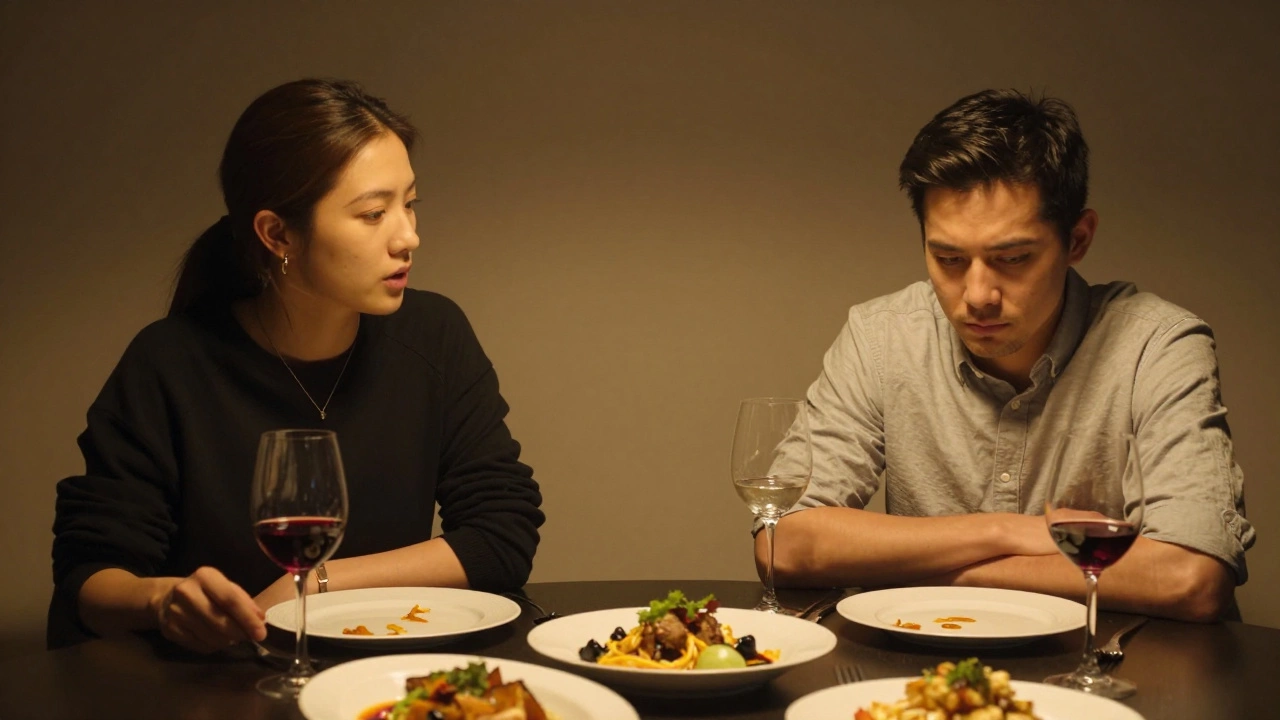
Silence is the most underused tool in power plays. Not the kind of silence that comes from fear. The kind that comes from confidence. When you stop explaining yourself, people start wondering what you’re thinking. When you stop justifying your boundaries, they start respecting them.
In Paris, there’s a term-eecort paris-used informally among those who’ve learned to navigate social hierarchies without speaking. It means: "I don’t need to prove I belong here." It’s not arrogance. It’s detachment. And it’s terrifying to people who rely on constant validation to feel secure. The moment you stop seeking approval, you stop giving away your power.
Money Isn’t Power-But It Buys the Space to Be Powerful
You can’t influence someone if you’re dependent on them for rent, food, or healthcare. Financial independence isn’t about being rich. It’s about having options. The person who can walk away from a bad job, a toxic relationship, or a draining friendship has more power than the person who stays because they’re afraid of what comes next.
That’s why the most powerful people in any room aren’t always the loudest. They’re the ones who don’t need to be there. They’re the ones who’ve built their own runway. And if you’re waiting for permission to build yours, you’re already behind.
Scoring Your Own Power Level
Ask yourself these three questions:
- When was the last time you said "no"-and lived with the consequences?
- Do you feel like you’re choosing your life, or just reacting to it?
- Who in your life has the most control over your time, energy, or emotions-and why do you let them?
If you’re uncomfortable answering any of these, you’re not broken. You’re just playing a game you didn’t agree to. And you can quit anytime. But first, you have to admit you’re playing.
The Myth of the "Strong Person"
Strong people don’t hold on tighter. They let go easier. They don’t fight to be heard. They make it so others have to listen. They don’t demand respect. They live in a way that makes disrespect impossible.
There’s a group in Paris-scorte paris-that’s built a reputation not by being loud, but by being unshakable. They don’t argue. They don’t explain. They just show up differently. And over time, the world around them changes to match their energy. That’s not magic. That’s strategy.
How to Start Playing the Game-On Your Terms
You don’t need to change your personality to gain power. You just need to change your patterns.
- Stop responding to every message. Let silence do the work.
- Stop justifying your decisions. Say "this is what I’m doing" instead of "I’m sorry, but..."
- Stop giving energy to people who drain you. Redirect it to things that grow you.
- Start tracking your emotional ROI. Every interaction should leave you stronger, not weaker.
Power isn’t something you take. It’s something you stop giving away.
 Sports